
Left Ventricular Assist Device (LVAD) Research
Research on optimizing LVAD design to minimize blood damage and improve patient outcomes.
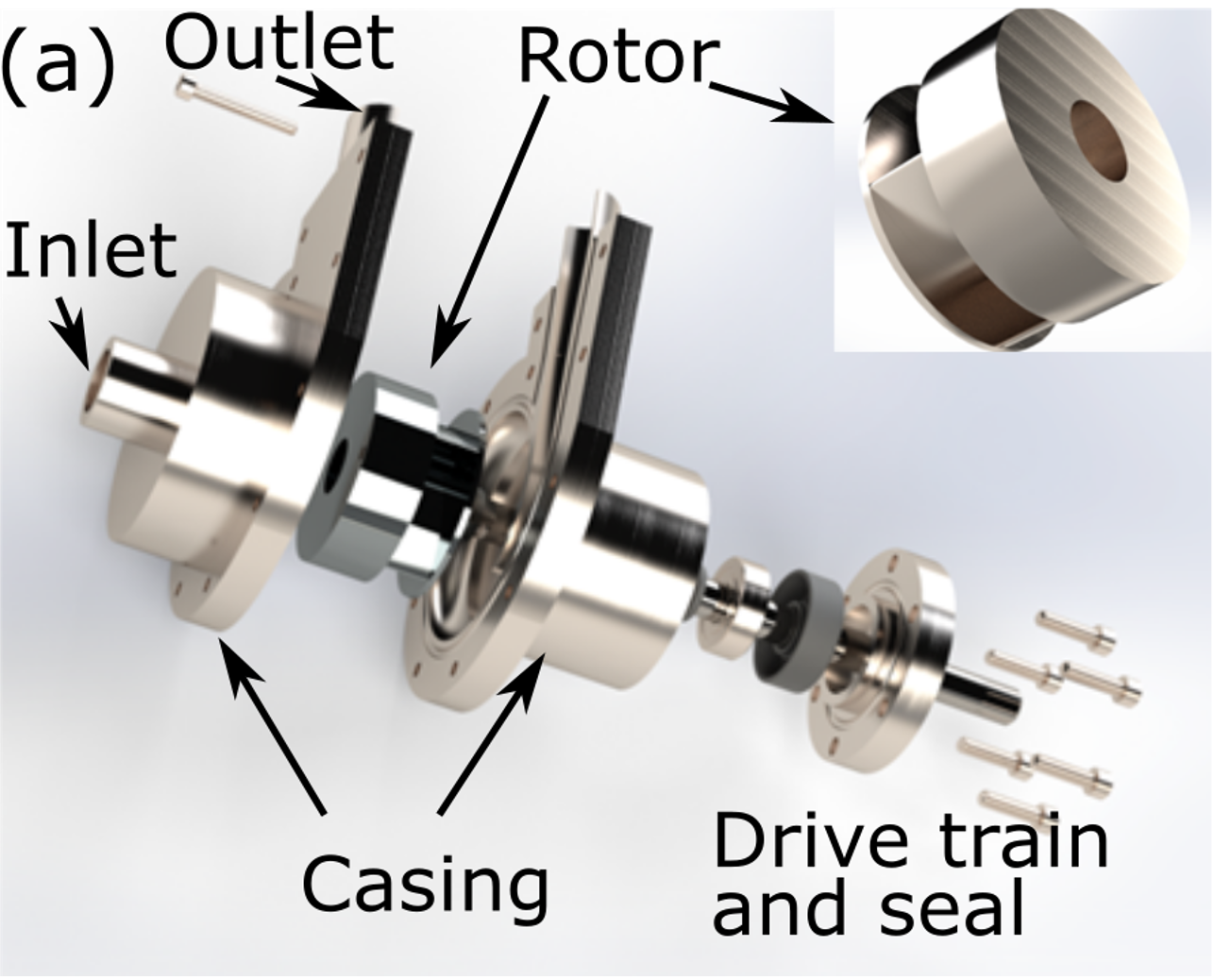
Left Ventricular Assist Device (LVAD) is an effective treatment for end-stage heart failure patients. However, severe complications, including thrombosis, stroke, and bleeding, are common. Past studies have shown that the blood damage associated with the supraphysiologic shear stress in the device is the cause of those complications. The mechanical forces generated by the rotating components destroy blood cells, leading to hemolysis, and activate platelets, causing thrombus formation. It is crucial to optimize the LVAD design to achieve minimal blood damage. In this work, we first designed a parametric centrifugal LVAD model and built a computational framework to assess blood damage. Subsequently, preliminary design optimization was carried out. Results from different models have shown significant improvement in performance after optimization.
Novel Flow Control Methods
Huang Chen received UNLV’s Top Tier Doctoral Graduate Research Assistantship (TTDGRA) for his student’s project, “Enhancing LVAD Hemocompatibility Using Novel Flow Control Methods,” which explores ways to improve miniature blood pump performance.
Pulsatile LVAD Flow
Siquan Huo presented an experimental study of flow structures in a centrifugal LVAD under pulsatile conditions at ASME FEDSM in July 2026.
Explore the conference presentations
Fontan Surgical Planning
Isabella Stanley defended “An Open-Source Workflow for Fontan Surgical Planning” in May 2026. Her doctoral research focuses on virtual surgical planning and Fontan assist devices for patients with congenital heart disease.
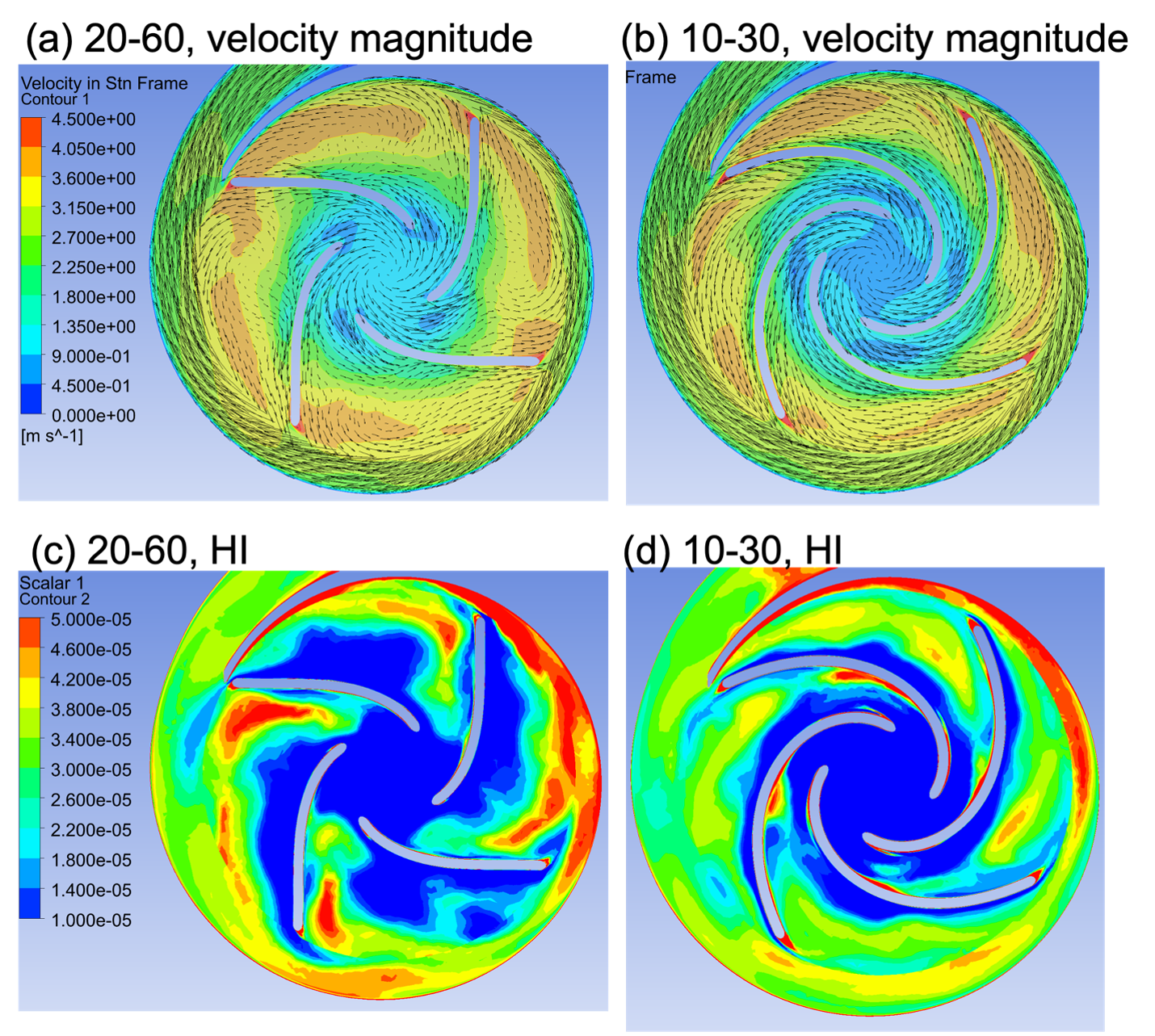
Design optimization to reduce blood damage
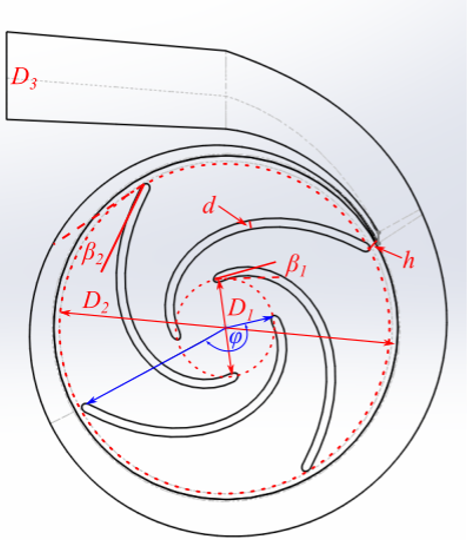
Parametric LVAD model